


What is Martin Luther King Day?
Martin Luther King Day is a federal holiday in the United States that honors the legacy and impact of Dr. Martin Luther King Jr., a pivotal figure in the American civil rights movement. The day is not just a commemoration of his life but a recognition of his relentless pursuit of equality, justice, and peace. Dr. King's teachings emphasized nonviolent protest and the importance of love over hate, making his message profoundly relevant in today’s society.
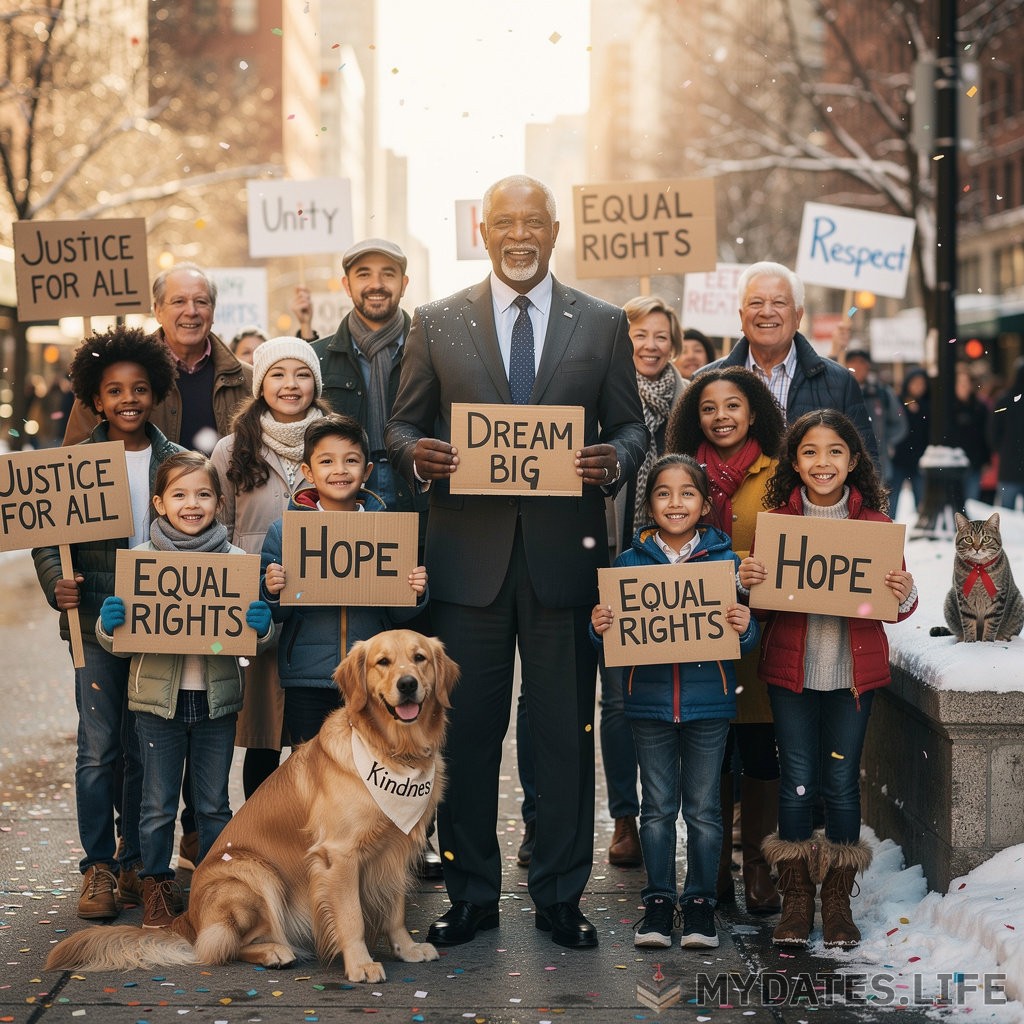
Traditionally, Martin Luther King Day is marked by various activities that celebrate Dr. King’s vision and contributions to civil rights. Many communities organize events such as parades, marches, and community service projects. These gatherings often attract individuals from diverse backgrounds who come together to honor Dr. King's legacy and to reflect on the ongoing struggle for civil rights and social justice. It is also a day when many people engage in volunteer work, reflecting Dr. King's commitment to service.
In terms of food and drink, there are no specific culinary traditions associated with Martin Luther King Day, but many people enjoy sharing meals with family and friends as a part of their celebrations. Potlucks and community barbecues can sometimes be seen, showcasing the communal spirit that is a hallmark of Dr. King's teachings.
This day is particularly popular among various demographics, especially in urban areas where civil rights history plays a significant role in the community's identity. Schools often take this opportunity to educate students about Dr. King's work and its relevance in today’s society, making it a significant educational moment for younger generations.
The origins of Martin Luther King Day can be traced back to grassroots efforts in the years following the assassination of Dr. King in 1968. Activists and citizens advocated for a holiday to honor his contributions to the civil rights movement. After much debate and public support, the first official observance of Martin Luther King Day occurred in the mid-1980s, ultimately becoming a federal holiday in 1983.
Celebrations can vary widely from state to state, but many include educational programs, discussions on civil rights topics, and film viewings that highlight Dr. King's life and the broader civil rights movement. Some people take the day to reflect individually on the ideals of equality, justice, and service, embodying the spirit of Dr. King.
Ultimately, Martin Luther King Day serves as a powerful reminder of the ongoing work required to achieve the vision Dr. King championed. It is a day not only to reflect but also to act, encouraging individuals to pursue justice and community service in their everyday lives. Through these collective activities, communities reaffirm their commitment to the values of equality and respect that Dr. King passionately advocated for, ensuring that his legacy continues to inspire future generations.