


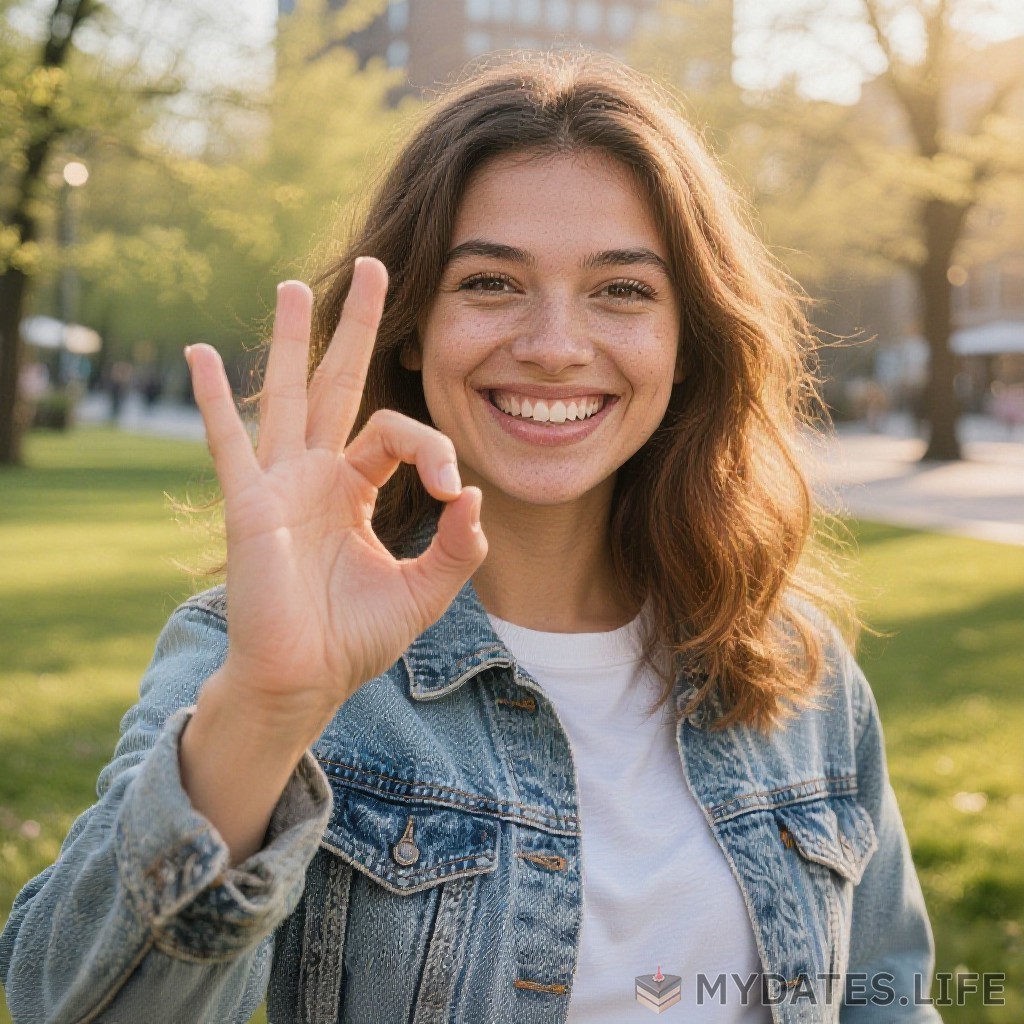
What is "OK Day"?
"OK Day" is a unique holiday that celebrates a universal sentiment-the power of positivity and the acceptance of life's ups and downs. This day serves as a reminder to embrace optimism, acknowledge personal growth, and foster connections with others. While the specific origins of the day may vary depending on cultural context, its significance lies in promoting mental health, well-being, and community spirit among individuals. The holiday encourages people to reflect on their journeys, recognize achievements, and appreciate the social fabric that binds us together.
Traditionally, "OK Day" is marked by a plethora of enjoyable activities that bring people together. Many communities organize outdoor gatherings, picnics, and festivals where friends and families can celebrate their shared experiences. Participants commonly engage in games, music, and storytelling, creating an atmosphere of joy and camaraderie. Food plays a central role in the celebrations, with various local dishes often featuring prominently. Whether it’s sharing potluck-style meals or indulging in favorite comfort foods, the culinary aspect adds a delightful flavor to the festivities. Refreshing drinks, both alcoholic and non-alcoholic, are served to toast to the spirit of the day, encouraging social interactions and laughter.
"OK Day" has gained popularity among diverse audiences, especially in regions where community engagement and social cohesion are highly valued. Families, friends, and even co-workers often join forces to celebrate, inviting participation from all walks of life. The holiday is particularly cherished in urban areas, where gatherings provide an essential respite from the fast-paced lifestyle, fostering human connection and togetherness. Its celebratory nature attracts younger generations, making it a multi-generational event that promotes mutual understanding and goodwill.
The history of "OK Day" is marked by evolving traditions that reflect societal changes and values. While its precise origins are not distinctly recorded, it has grown from grassroots movements aimed at improving mental health awareness. As people began to recognize the importance of positivity and acceptance, the day has evolved from a simple gathering into a widespread celebration full of meaning and impact.
Celebrations may also include workshops, seminars, or discussions focused on mental wellness and personal development. Advocates and mental health professionals often participate, sharing insights and resources that enrich the understanding of well-being. Through acts of kindness, uplifting messages, and community service, people channel the spirit of "OK Day" into tangible actions that contribute positively to society.
As "OK Day" continues to be recognized across various cultures and communities, its essence remains a powerful call to foster acceptance, celebrate life’s moments, and strengthen the bonds that unite us all. By engaging in the traditions of this day, individuals contribute to a broader movement that champions mental health, positivity, and harmony within society.