


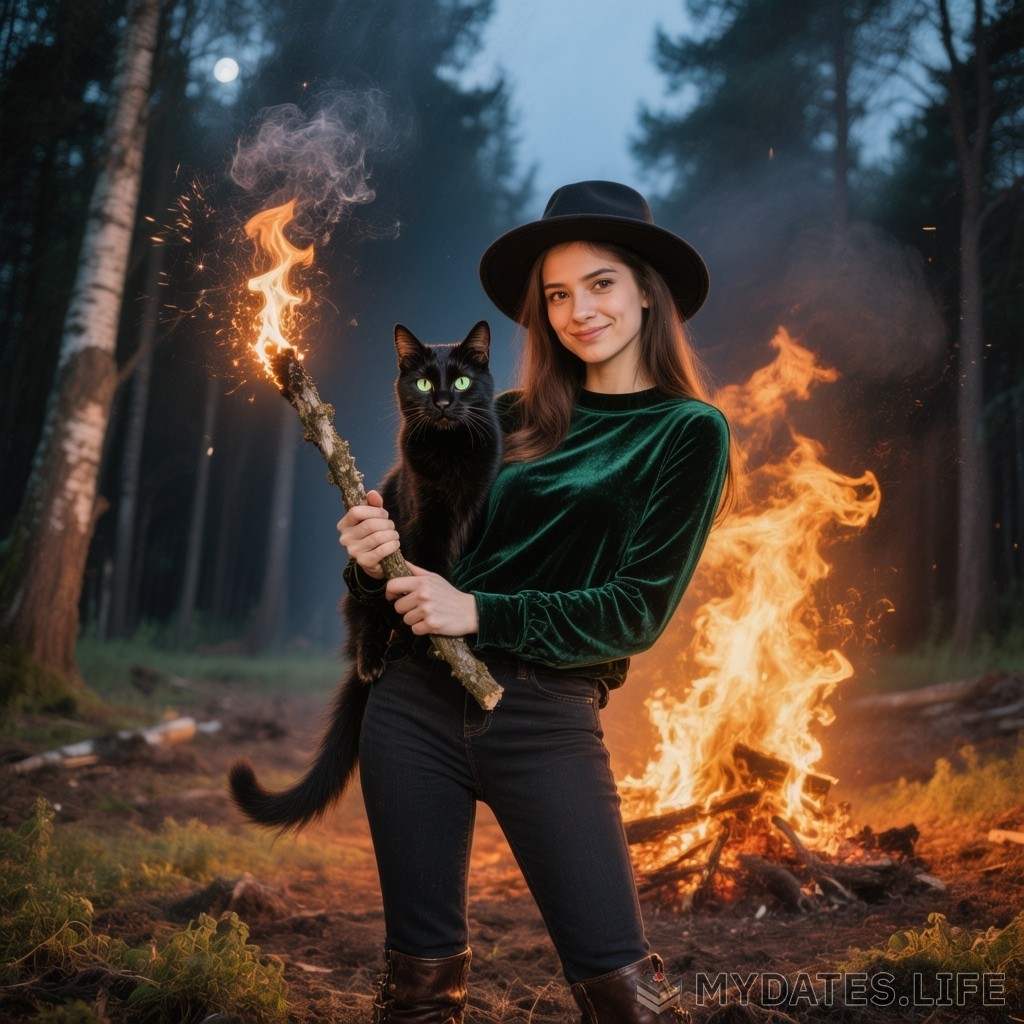
Walpurgis Night: A Celebration of Spring and Tradition
Walpurgis Night is an ancient festival that intertwines elements of folklore, superstition, and the transition into the vibrant season of spring. This celebration is rooted in the belief that the night marks a critical point in the year, where the spirit world and earthly realm are closely intertwined. Traditionally, it honors the arrival of spring and is imbued with themes of renewal, fertility, and the banishment of winter’s darkness. Many cultures perceive this night as a moment when witches convene to celebrate the changing of the seasons, engaging in various mystical practices.
The traditions surrounding Walpurgis Night vary widely, yet they share common threads. Fire is a key element, symbolizing purification and the driving away of malevolent spirits. Communities often gather around large bonfires, where people dance, sing, and celebrate, creating a vibrant atmosphere that embodies joy and renewal. The flames are believed to protect against witches and evil spirits, instilling a sense of safety among participants. In addition to bonfires, many societies also engage in festivities that include music, feasting, and energetic dancing, fostering a communal spirit.
Culinary customs on this night often feature traditional foods and drinks that represent the season. Popular dishes may include seasonal vegetables and freshly baked goods, celebrating the abundance of spring. In some regions, mead or herbal liqueurs are served, further enhancing the festive spirit. Families and friends gather to enjoy each other's company, indulge in local specialties, and toast to the warmth and light that spring brings.
Walpurgis Night enjoys popularity across several countries, particularly in northern and central Europe, where it is celebrated with particular fervor in Germany, Sweden, and the Czech Republic. In Germany, for instance, it is associated with stories of folklore and legends involving witches. Swedish celebrations often feature traditional Maypole dancing, parading through towns, and elaborate gatherings that showcase local customs. The festival also has a strong resonance within communities that value nature, folklore, and the cyclical rhythm of the seasons.
Historically, Walpurgis Night draws from ancient pagan traditions that celebrate fertility and the changing seasons. Over time, these rituals have evolved, assimilating Christian elements while retaining their core nature. The night is named after Saint Walburga, a Christian missionary whose feast day coincides with the festivities. The intertwining of pagan and religious customs has created a rich tapestry of celebrations reflecting both the human connection to nature and the community spirit that arises in shared rituals.
As night falls, excitement pervades the air, with friends and families coming together to commemorate this festive occasion. The glowing bonfires stand as beacons of hope and joy, beckoning participants to embrace the lively traditions, share stories, and revel in the return of light and warmth. Walpurgis Night serves as a reminder of our connection to the earth's cycles and the importance of community in celebrating the arrival of spring.