


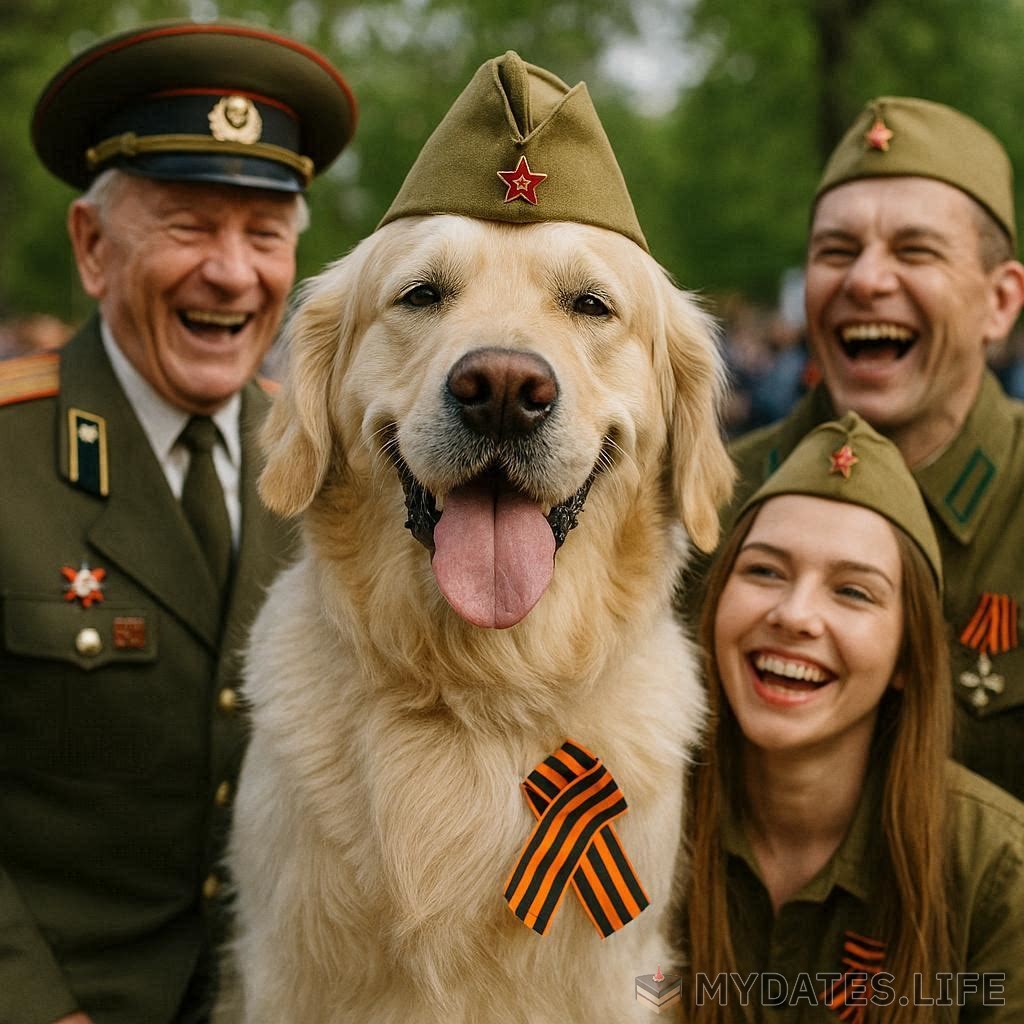
Victory Day: A Celebration of Remembrance and Resilience
Victory Day is a significant holiday celebrated in numerous countries, particularly those that were part of the former Soviet Union. This day honors the triumph over fascism during World War II, paying tribute to the courage and sacrifices made by countless individuals who fought for their homeland’s freedom. The celebration of this day is marked not just by remembrance but also by a deep sense of national pride and unity.
As communities gather to commemorate the shared history, various customs and activities bring people together. One of the most iconic elements of Victory Day is the grand parades held in major cities, where military personnel, vehicles, and veterans march through the streets. These parades serve as a powerful display of respect for those who served in the conflict and symbolize the strength of the nation.
Another hallmark of Victory Day is the remembrance services conducted in honor of fallen soldiers. Families visit war memorials and cemeteries, often bringing flowers, wreaths, and candles to pay their respects. This shared act of remembrance fosters a sense of solidarity among citizens, binding them together in a narrative of resilience and sacrifice.
Culinary traditions also play a vital role in the celebrations. Families often prepare traditional dishes, reflecting the rich cultural heritage of their regions, with foods that may include roasted meats, hearty stews, and freshly baked bread. Additionally, festive drinks, from vodka to traditional homemade beverages, are often shared among friends and family, enhancing the spirit of togetherness.
Victory Day resonates particularly with younger generations, who learn about the historical significance through stories passed down from their elders. Schools engage students in learning about the events of the war, inspiring respect for their history. As a result, the celebration is not only a day of remembrance but also a reminder of the importance of peace and the horrors of war, instilling values of gratitude and unity in the youth.
This holiday is especially popular in countries such as Russia, Belarus, and other post-Soviet states, where it is considered a crucial part of their national identity. The day is marked by both public celebrations and private observances, uniting individuals from diverse backgrounds under a common cause.
In regions like Eastern Europe, Victory Day serves as a powerful reminder of the contributions and sacrifices made during one of history's most devastating conflicts. It stands as a testament to the enduring spirit of humanity, reflecting hope for peace and a brighter future.
Celebrating Victory Day fosters communal ties and provides an opportunity for reflection, ensuring that the lessons of history are never forgotten. Through parades, remembrance, and shared meals, this day remains a vibrant expression of patriotism, respect, and the collective memories of a nation.